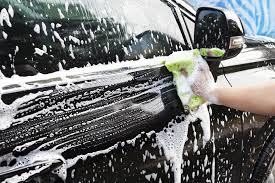
The Importance of Regular Exterior Car Wash for Vehicle Protection
A vehicle’s exterior faces continuous exposure to environmental elements, making regular exterior car washing essential for long-term vehicle protection. While many people think of car washing as a cosmetic task, it plays a much deeper role in preserving the vehicle’s structure, paint, and overall value. Every day, cars encounter dust, mud, rainfall, humidity, UV rays, and air pollutants. Over time, these contaminants bond to the surface and contribute to deterioration.
For car owners, understanding the importance of consistent cleaning helps protect their investment and maintain the vehicle’s appearance and structural integrity.
This article explores why regular exterior car washing matters, how it protects a vehicle, common threats to car surfaces, and the long-term benefits of adopting a consistent washing routine. It also highlights how professional exterior washing—such as the service offered at Diamond Palace Car Wash—uses techniques that support paint care and vehicle longevity.
Why Regular Exterior Car Wash Matters
Regular exterior car washing is a fundamental part of responsible vehicle maintenance. It removes harmful contaminants and prevents gradual damage that often goes unnoticed. Beyond aesthetics, the routine preserves structural components, protects paint, and enhances road safety.
A Clean Vehicle Is a Protected Vehicle
Every time a vehicle is used, its exterior collects particles that cling to the paint. While these may appear harmless, they accumulate and become destructive.
Common contaminants include:
- Dust and dirt
- Pollen
- Tree sap
- Road tar
- Bird droppings
- Acidic rainfall residue
- Industrial pollutants
- Salt (in coastal or winter regions)
When these materials remain on the surface for too long, they embed into the clear coat, weakening paint protection. A regular washing schedule ensures these pollutants are removed before they cause long-term harm.
Prevention Is Easier Than Restoration
Restoring damaged paint requires far more effort and cost compared to maintaining it through frequent washes.
Contaminants like bird droppings or industrial fallout can etch into the paint within hours or days, depending on weather conditions. Washing the car before damage begins ensures a more durable finish and reduces the need for corrective detailing in the future.
How Dirt, Grime, and Pollutants Damage Your Vehicle
To understand the importance of regular cleaning, it’s essential to examine how various contaminants affect the vehicle’s surface and structure.
Dirt and Dust Accumulation
Dirt contains microscopic abrasive particles. When left on the paint, they cause light scratches and swirl marks, especially when the vehicle is wiped without proper washing.
How dirt causes damage:
- Acts like sandpaper when rubbed
- Harms the clear coat over time
- Causes premature dullness
- Reduces paint clarity and shine
Even lightweight dust contributes to gradual surface wear, making regular exterior car washes a simple but effective defense.
Bird Droppings and Tree Sap
Bird droppings are highly acidic. When allowed to sit on the paint, they react chemically with the surface and create permanent marks.
Tree sap hardens under heat, bonding to the paint and becoming difficult to remove safely.
Potential damage includes:
- Etching of paint
- Staining
- Clear coat breakdown
- Permanent texture changes
Frequent washing prevents these issues by removing contaminants before they bond too strongly.
Road Salt and Winter Residue
In colder climates, road salt is used to melt ice. Salt clings to the vehicle and accelerates rust formation.
Effects of salt exposure:
- Corrosion of metal panels
- Rust formation along wheel wells and undercarriage
- Paint blistering
- Faster weakening of structural components
Even if the vehicle is not in a winter region, salt in coastal air has similar effects. Regular washing prevents salt from lingering on the exterior.
Industrial and Air Pollutants
Urban locations contain pollutants from factories, construction zones, and heavy road traffic. These particles settle on paint and form hard-to-remove layers.
Examples include:
- Brake dust
- Metallic particles
- Chemical residue
- Pollution fallout
Without routine washing, these substances adhere strongly and cause oxidation and dullness.
UV Rays and Weather Conditions
Sun exposure gradually weakens paint just like it damages human skin.
Weather-related elements such as rain, humidity, and wind also contribute to surface deterioration.
Combined effects include:
- Faded paint
- Oxidation
- Clear-coat thinning
- Water spots
- Reduced paint lifespan
A clean surface allows protective layers—like wax or sealant—to work more effectively.
Long-Term Benefits of Regular Exterior Car Washing
Regular washing is an investment in vehicle longevity, appearance, and structural health. The benefits extend far beyond basic cleanliness.
Paint Preservation
Paint is the first layer of protection for the vehicle body. When kept clean, paint maintains its integrity and resists damage.
Advantages:
- Prevents dullness and fading
- Protects the clear coat
- Strengthens resistance to scratches
- Maintains a newer-looking finish
Whether using professional services or at-home techniques, consistency is key.
Prevention of Rust and Corrosion
Rust is one of the most damaging issues a vehicle can face. While modern cars are built with rust-resistant materials, contaminants can still accelerate corrosion.
Regular washing prevents:
- Moisture retention on the surface
- Salt buildup
- Chemical reactions that degrade metal
- Early corrosion on body panels
Washing the undercarriage periodically is especially important for long-term structural safety.
Improved Visibility and Safety
A clean exterior enhances driver visibility and safety.
Benefits include:
- Clear windows
- Effective side mirrors
- Brighter headlights
- More visible brake lights
Dust, mud, and residue on lights reduce brightness, affecting nighttime driving quality. Routine washing keeps all reflective surfaces clear.
Better Performance of Protective Coatings
Vehicles with wax, sealant, or ceramic coating perform best when cleaned regularly. Dirt prevents these layers from working effectively.
Clean surfaces allow:
- Wax adhesion
- Hydrophobic performance
- Enhanced UV protection
- Longer-lasting coating durability
Skipping washes reduces the lifespan of protective treatments.
Increased Vehicle Longevity
A well-maintained exterior helps the entire vehicle age more slowly. Over time, this reduces repair needs and helps preserve structural strength.
Reasons include:
- Less exposure to harmful chemicals
- Reduced oxidation
- Protection against corrosion
- Lower risk of deep paint damage
Longevity is a major reason many owners prioritize exterior washing as part of routine care.
Higher Resale Value
A vehicle with a clean, well-maintained exterior appears more appealing to buyers. Paint condition is one of the first things appraisers notice.
Regular exterior car washing supports higher resale value by preventing visible wear, rust, and fading.
Buyers often judge:
- Paint condition
- Shine and clarity
- Level of oxidation
- Presence of scratches
- Rust or corrosion
A consistent washing routine keeps the car looking newer for a longer period.
Common Misconceptions About Exterior Car Washes
Many car owners underestimate the role of frequent washing due to misconceptions. Addressing these myths helps create better maintenance habits.
“Rain Cleans My Car”
Rainwater contains pollutants and minerals. Instead of cleaning, it often leaves water spots and residues that become harder to remove over time.
“Washing Too Often Damages the Paint”
When done correctly, regular washing improves paint condition rather than harming it. Damage occurs mainly when improper tools or techniques are used.
“A New Car Doesn’t Need Washing Yet”
Factory paint is durable but still vulnerable to contaminants. Even new vehicles benefit from consistent washing to prevent early wear.
“I Only Need to Wash When the Car Looks Dirty”
Many contaminants are microscopic and can harm the paint even when invisible. Regular schedules help prevent hidden buildup.
How Often Should You Schedule a Regular Exterior Car Wash?
The ideal frequency depends on environment, climate, and vehicle use.
Here are general recommendations:
- Urban areas: Once every 1–2 weeks
- Dusty or construction zones: Weekly
- Coastal regions: Weekly to protect against salt
- Rainy climates: After heavy rainfall
- Highway driving: Weekly or bi-weekly
- Stored outdoors: More frequent washing needed
For car wash in [city], adapting this schedule to local weather and environmental conditions ensures consistent protection.
Professional Exterior Washing: Techniques Used in Quality Car Wash Centers
Professional car wash centers, such as Diamond Palace Car Wash, use structured techniques designed to protect paint and deliver thorough cleaning.
These methods rely on safe tools and controlled procedures rather than aggressive chemicals or abrasive materials.
Pre-Rinse to Remove Loose Dirt
A gentle pre-rinse eliminates loose particles, preventing scratches during washing.
pH-Balanced Cleaning Solutions
Professional-grade shampoos are formulated to clean effectively while maintaining proper pH levels.
This reduces the risk of damaging paint or stripping protective layers.
Soft Washing Materials
High-quality mitts and brushes ensure the cleaning process is gentle on the clear coat.
Professionals avoid:
- Rough sponges
- Household detergents
- Abrasive cloths
These materials can cause micro scratches.
Two-Bucket or Foam Techniques
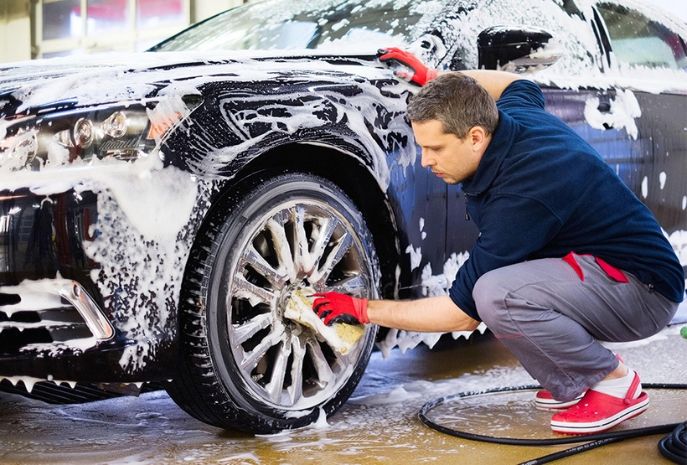
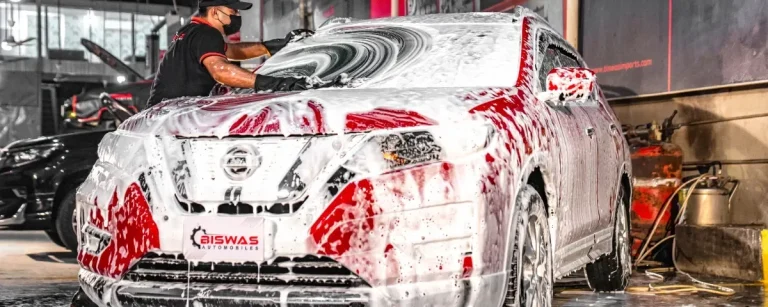
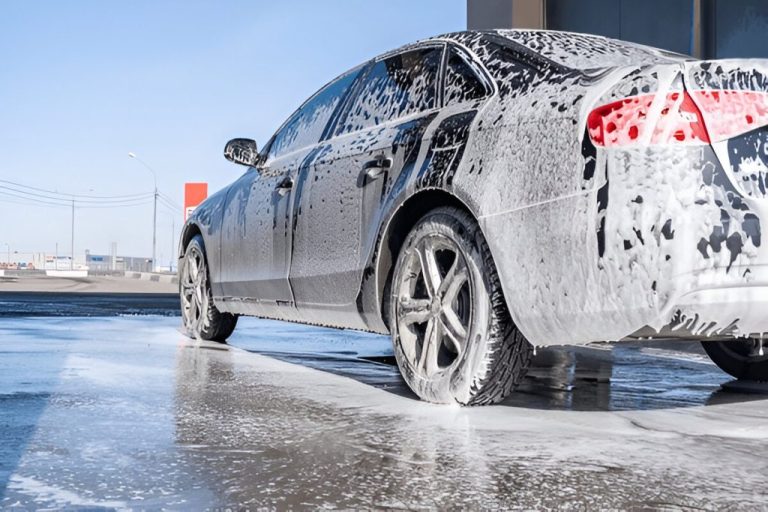
Foam cannons and two-bucket washing methods minimize friction by keeping dirt in the rinse bucket rather than on the mitt.
Controlled Water Pressure
Proper water pressure ensures safe cleaning without harming decals, trims, or paint.
Spot-Free Rinsing
Filtered or treated water prevents mineral deposits that cause spotting, especially in areas with hard water.
Proper Drying Methods
Professionals use microfiber towels or air-drying systems to prevent streaks and minimize contact with the paint.
Environmental Factors That Make Regular Washing Even More Important
Different environments introduce specific threats. Understanding these helps car owners decide how frequently they should wash their vehicles.
Urban Environments
Cities produce:
- Pollution
- Industrial dust
- Road grime
- Construction debris
These contaminants settle quickly and bond strongly to the vehicle surface.
Coastal Areas
Salt and moisture contribute to:
- Faster rusting
- Corrosion of metal components
- Paint weakening
Regular washing slows these effects.
Rural or Off-Road Areas
Vehicles pick up:
- Mud
- Sand
- Pollen
- Agricultural chemicals
These elements are abrasive and corrosive if left unattended.
Harsh Weather Conditions
Snow, rain, heat, and wind each affect paint differently.
For example:
- Snow brings salt and moisture
- Heat accelerates oxidation
- Rain leaves mineral spots
- Wind carries dust and debris
These conditions make frequent washing necessary for vehicle protection.
The Role of Regular Exterior Car Washing in Overall Vehicle Maintenance
Car washing is often overlooked in general maintenance schedules. Yet, it contributes significantly to vehicle lifespan and cost savings.
Reduced Repair Costs
Preventing corrosion and paint damage reduces the likelihood of costly bodywork and repainting.
Better Functioning Parts
Clean exteriors prevent dirt buildup around:
- Sensors
- Cameras
- Headlights
- Taillights
- Radiator grilles
This ensures these components work efficiently.
Prevention of Mechanical Issues
While washing does not directly influence engine or brake performance, it prevents:
- Rust around brake components
- Dirt entering sensitive areas
- Premature aging of exterior seals
These benefits contribute indirectly to overall maintenance.
Creating a Regular Exterior Washing Routine
A consistent routine ensures maximum protection.
Choose a Washing Schedule
Decide on a weekly, bi-weekly, or monthly schedule based on environment.
Use Proper Techniques
Avoid harsh chemicals or abrasive tools that may harm the paint.
Combine Washing with Occasional Detailing
Clay-bar treatment, waxing, and polishing improve paint health and add protective layers.
These services don’t replace regular washing but complement it.
Consider Professional Washes When Needed
Professional services ensure deeper cleaning and correct washing methods. They are especially useful for vehicles exposed to harsh environments.
Why Diamond Palace Car Wash Supports Proper Vehicle Care
While this article avoids promotional claims, it’s important to highlight the value of proper washing techniques.
Diamond Palace Car Wash follows industry-standard methods designed to support paint care, prevent surface damage, and maintain vehicle cleanliness.
The focus is on safe and effective washing that aligns with best practices for long-term vehicle protection.
Conclusion
Regular exterior car washing is one of the simplest yet most effective ways to protect a vehicle. From minimizing paint damage to preventing rust and improving visibility, consistent cleaning helps maintain a car’s appearance and structural quality. Environmental pollutants, weather conditions, and everyday road debris all contribute to gradual wear, making regular washes essential.
For overall vehicle protection, adopting a washing routine—whether done at home or through a professional service such as Diamond Palace Car Wash—plays a crucial role in preserving paint, extending longevity, and ensuring the vehicle stays safe and reliable on the road.