How Engine Cleaning Prevents Long-Term Damage
Keeping a vehicle in good condition requires more than routine oil changes, tire rotations, and exterior washing. One part of car care that many drivers overlook is engine cleaning—a process that removes dirt, grease, dust, and residue from the engine bay. While it may seem like a cosmetic service, a clean engine plays a major role in improving long-term vehicle health and preventing costly damage down the road.
Modern vehicles contain intricate mechanical and electronic systems that depend on clean, stable conditions to operate efficiently. Because of this, regular engine cleaning service has become increasingly important for preserving performance, preventing component wear, and identifying issues before they escalate. At Diamond Palace Car Wash, safe and carefully controlled cleaning methods are used to help maintain your vehicle’s engine bay without unnecessary risks.
This article explains the importance of engine cleaning, how it prevents long-term damage, and why professional care is often the most reliable approach. With clear explanations and practical guidance, you’ll learn how a clean engine improves performance, protects components, and contributes to the long life of your vehicle.
Why Engine Cleaning Matters for Vehicle Health
Engine bays collect dirt, debris, oil residue, and contaminants over time. These materials come from everyday driving—especially in dusty environments, heavy traffic, or areas with humid weather. While many drivers assume the engine is protected under the hood, it frequently gets exposed to:
- Road dust
- Oil and fluid residue
- Debris and leaves
- Moisture buildup
- Engine fluid vapors
- Grease accumulation
- Brake and suspension dust
These contaminants do more than make the engine look dirty—they can directly affect performance, efficiency, and reliability.
Impact of Dirt, Oil, and Debris on Engine Performance
A layer of grime may not seem harmful at first, but dirt can interfere with the engine’s ability to disperse heat, operate smoothly, and maintain accurate sensor readings. Oil residue can attract more contaminants, causing buildup in tight spaces and around key components. Over time, dust particles and sticky grease can decrease mechanical efficiency.
Common performance issues linked to dirty engines include:
- Poor heat dissipation
- Reduced airflow in the engine bay
- Difficulty spotting leaks
- Stress on belts, pulleys, and moving parts
- Contamination of sensitive electronic components
- Corrosion of exposed metal surfaces
- Increased risk of overheating
Professional engine bay cleaning helps prevent these issues by removing harmful buildup and restoring clean conditions.
A Clean Engine Supports Overall Car Maintenance
Clean mechanical environments are easier to inspect, maintain, and troubleshoot. Mechanics can quickly identify:
- Worn components
- Loose connections
- Small leaks
- Cracked hoses
- Damaged belts
- Aging wiring
A clean engine bay also simplifies routine work such as checking fluid levels, replacing filters, and inspecting belts. When the engine is free of grime and residue, maintenance tasks become more accurate and efficient.
This also means car owners can catch problems early—before they become costly repairs.
How Engine Cleaning Prevents Long-Term Damage
Engine cleaning offers more than a visual improvement. It plays a major role in protecting engine components, reducing wear, and supporting long-term reliability. Below are the key ways that a clean engine helps prevent major damage.
Reduces Wear and Tear
Every engine has multiple moving parts and components that need to operate in a smooth, low-friction environment. Dirt and grime introduce unwanted resistance, trapping heat and increasing pressure on parts that are already under mechanical stress.
How Grime Affects Engine Components
- Belts and pulleys can suffer from reduced flexibility when coated with dirt or oil.
- Radiator hoses and rubber parts can weaken faster when exposed to fluid residue.
- Connections and clamps can loosen as grime builds up around them.
- Metal components may corrode when exposed to trapped moisture.
- Filters become clogged more quickly when contaminants spread through the engine bay.
- Sensors can deliver inaccurate readings if covered in dust or oily residue.
By reducing this buildup, engine cleaning service helps components operate with less mechanical stress, lowering the chances of premature wear and extending the overall lifespan of the engine.
Prevents Overheating
Heat is one of the greatest threats to any engine. Modern engines rely on efficient airflow and precise heat management to prevent overheating. When dust, grease, or dirt accumulate, they obstruct this process.
How Dirt Blocks Airflow
- Dust and debris stick to engine surfaces, acting as insulation and trapping heat.
- Grease buildup around the radiator or cooling components disrupts heat transfer.
- Air vents can become partially blocked, preventing proper circulation.
- Oil residue increases the temperature of nearby components.
Even minor obstructions can disrupt cooling efficiency, especially during long drives or in warm climates. Overheating puts intense stress on the engine, increasing the risk of:
- Warped metal components
- Damaged head gaskets
- Reduced oil efficiency
- Lower overall performance
Regular professional engine wash helps restore proper airflow, allowing the cooling system to function correctly and maintain stable engine temperature.
Helps Detect Leaks Early
A clean engine bay makes it easier to identify issues such as:
- Oil leaks
- Coolant leaks
- Brake fluid seepage
- Power steering fluid leaks
- Transmission fluid residue
- Cracked hoses or seals
Why Early Detection Matters
If leaks remain hidden under grime, they can cause long-term damage before the driver notices a problem. For example:
- Oil leaks can lead to decreased lubrication, increasing friction and mechanical breakdown.
- Coolant leaks may cause overheating and severe engine damage.
- Brake fluid leaks reduce braking efficiency and create safety risks.
- Fuel leaks are dangerous and can lead to fire hazards.
A clean engine makes leaks visible as soon as they start. Mechanics and car owners can take quick action, preventing expensive repairs and reducing overall wear.
Protects Electrical Components
Modern engines rely heavily on sensors, wiring, and electronic systems. These components are sensitive to moisture, dust, and oil buildup. When exposed to contaminants, electrical systems can fail or deliver inaccurate readings.
How Moisture and Grease Impact Electronics
- Oil residue can cause connectors to slip or malfunction.
- Dust buildup affects airflow sensors and other vital electronics.
- Moisture can cause corrosion at connection points.
- Grease may interfere with wiring insulation.
- Grime can block access to key diagnostic points.
Protecting electrical components is essential for proper engine function. Clean conditions ensure that sensors remain accurate, wiring stays intact, and diagnostics are easier to perform.
Benefits of Professional Engine Cleaning Services
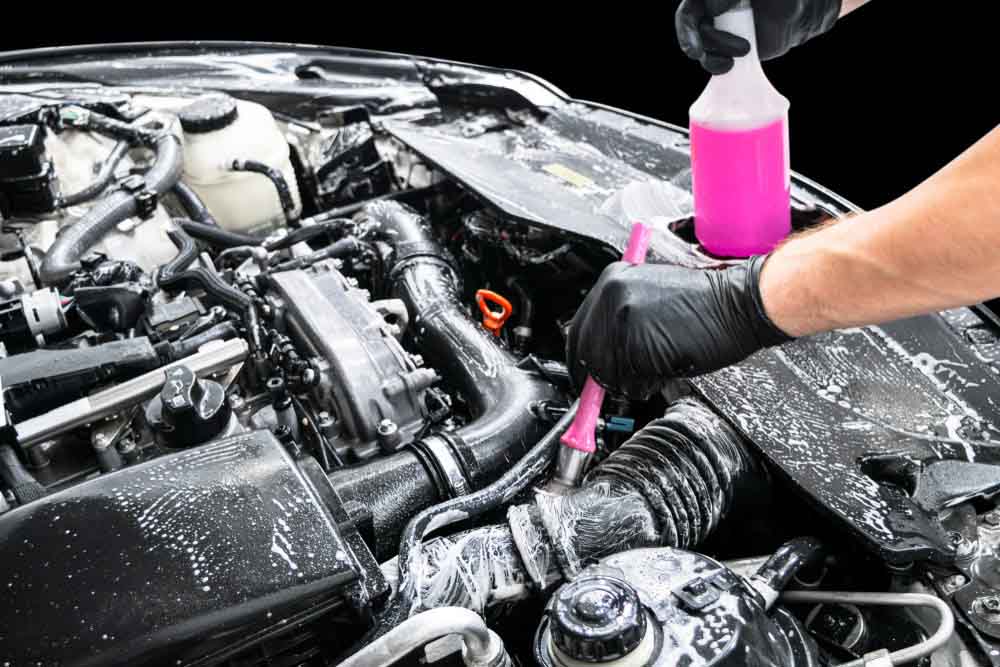
Cleaning an engine is not as simple as spraying it with water. Engines contain sensitive parts that require careful handling. Professional engine cleaning services use appropriate tools and methods to ensure a thorough, safe cleaning process.
Here’s why professional techniques are preferred over DIY cleaning.
Safer Methods for Modern Engines
Newer vehicles contain:
- Delicate sensors
- High-voltage wiring
- Electronic control units
- Plastic connectors
- Insulated components
- Specialized coatings
DIY cleaning often involves using household cleaners, pressure washers, or water jets that may cause:
- Electrical shorts
- Damaged sensors
- Water entering sealed components
- Corrosion on exposed metal
- Dislodging of small parts
Professional services rely on controlled cleaning techniques that protect these sensitive components. This includes:
- Using safe, appropriate cleaning agents
- Avoiding excessive water or pressure
- Covering vulnerable areas before cleaning
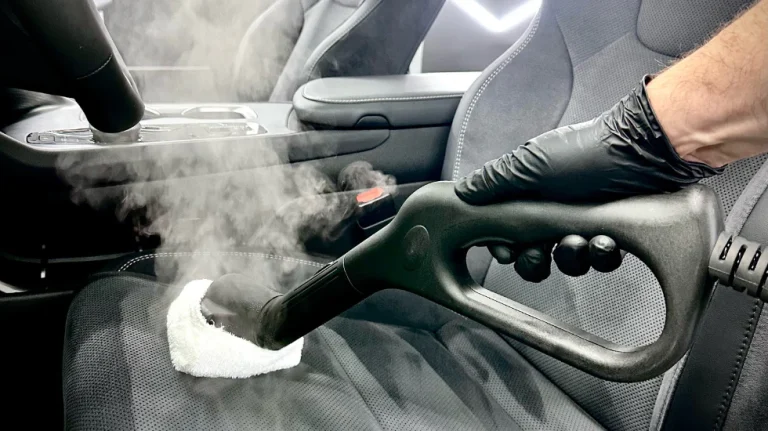
- Using steam or low-moisture systems when needed
- Carefully removing residue without damaging parts
Diamond Palace Car Wash uses safe, thorough cleaning procedures that minimize risk and preserve engine integrity—without relying on promotional claims.
Better Results Than Home Cleaning
Professional cleaning ensures:
- A thorough, even cleaning across all components
- Removal of deep oil and grease deposits
- Protection of electrical systems
- Careful handling of sensitive areas
- Access to tools such as steam cleaners and degreasers
DIY methods rarely achieve the same level of effectiveness, especially in tight spaces or around delicate engine parts.
How Often Should You Clean Your Engine?
The ideal frequency for engine cleaning depends on driving habits, climate, and environmental conditions. A good general guideline is to clean the engine every 6–12 months, but some situations require more frequent care.
Based on Driving Conditions
You may need more frequent engine cleaning if you regularly drive through:
- Dusty or sandy environments
- Heavy traffic areas
- Muddy or unpaved roads
- Humid climates
- Polluted areas
- Coastal regions where salt is present
Based on Climate
Different climates affect engine cleanliness in specific ways:
- Hot climates cause more oil evaporation and residue buildup.
- Cold climates contribute to moisture accumulation and corrosion.
- Rainy regions increase mud and dirt exposure.
- Coastal areas expose engines to salt, which accelerates rust.
Based on Vehicle Age
Older vehicles often produce more residue due to:
- Engine oil vapor
- Worn gaskets
- Aging seals
- Slight cracks in hoses
These issues can lead to more grime accumulation and require more frequent cleaning.
Conclusion
Engine cleaning is an essential part of car engine maintenance that many drivers overlook. A clean engine is more than a cosmetic improvement—it supports long-term vehicle health, improves performance, reduces wear and tear, and helps drivers detect issues early.
By removing dirt, grease, oil, and debris, engine cleaning:
- Reduces mechanical stress
- Prevents overheating
- Protects electrical components
- Makes leaks easier to spot
- Supports smoother daily performance
- Extends component lifespan
Professional cleaning methods used at Diamond Palace Car Wash follow safe and careful procedures that help maintain engine integrity without unnecessary risk. Regular cleaning—combined with routine inspections—ensures that your engine remains reliable, efficient, and protected from long-term damage.
A clean engine bay gives you confidence that your vehicle is operating at its best. With modern cars relying on advanced electronics and delicate components, maintaining a clean, well-managed engine environment is one of the smartest ways to protect your investment and enjoy smoother, trouble-free driving.